What is Acidity in Wine?
Understanding acidity makes it easier to choose wines for both cooking and the dinner table.
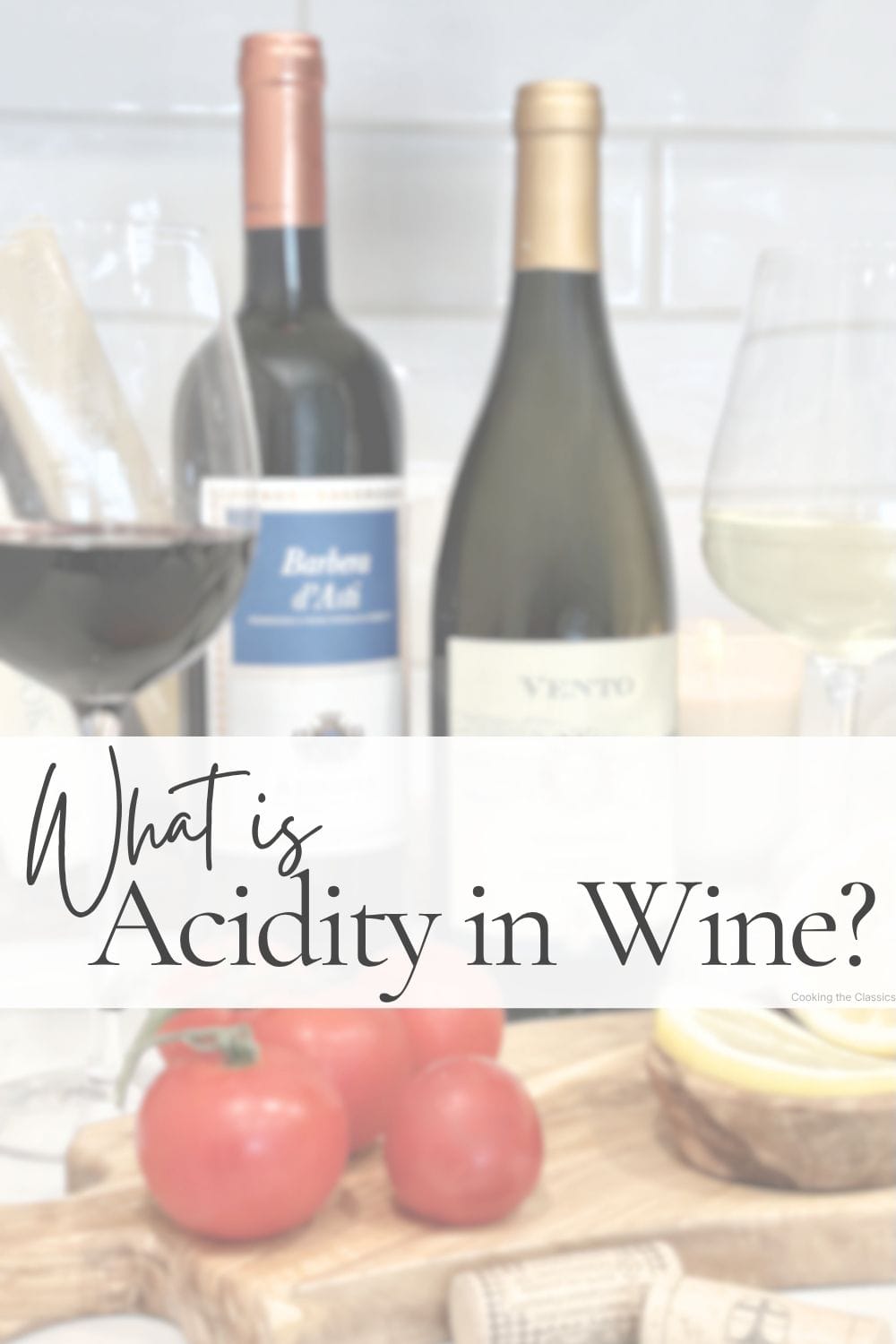
If you’ve ever heard someone describe a wine as “high acid,” it can sound like a flaw.
In reality, acidity is one of the reasons many wines taste fresh and work so well with food.
Acidity is the natural tartness in wine. It’s the same sensation you notice when you bite into a lemon, green apple, or grapefruit.
In wine, acidity shows up as brightness and freshness rather than sweetness or richness.
What Does Acidity Taste Like?
High-acid wines often make your mouth water after a sip.
They can taste:
- Crisp
- Bright
- Refreshing
- Citrus-driven
- Lively
Lower-acid wines tend to feel softer and rounder.
A wine doesn’t have to taste sour to be high in acidity. Instead, acidity helps keep the wine from feeling heavy.
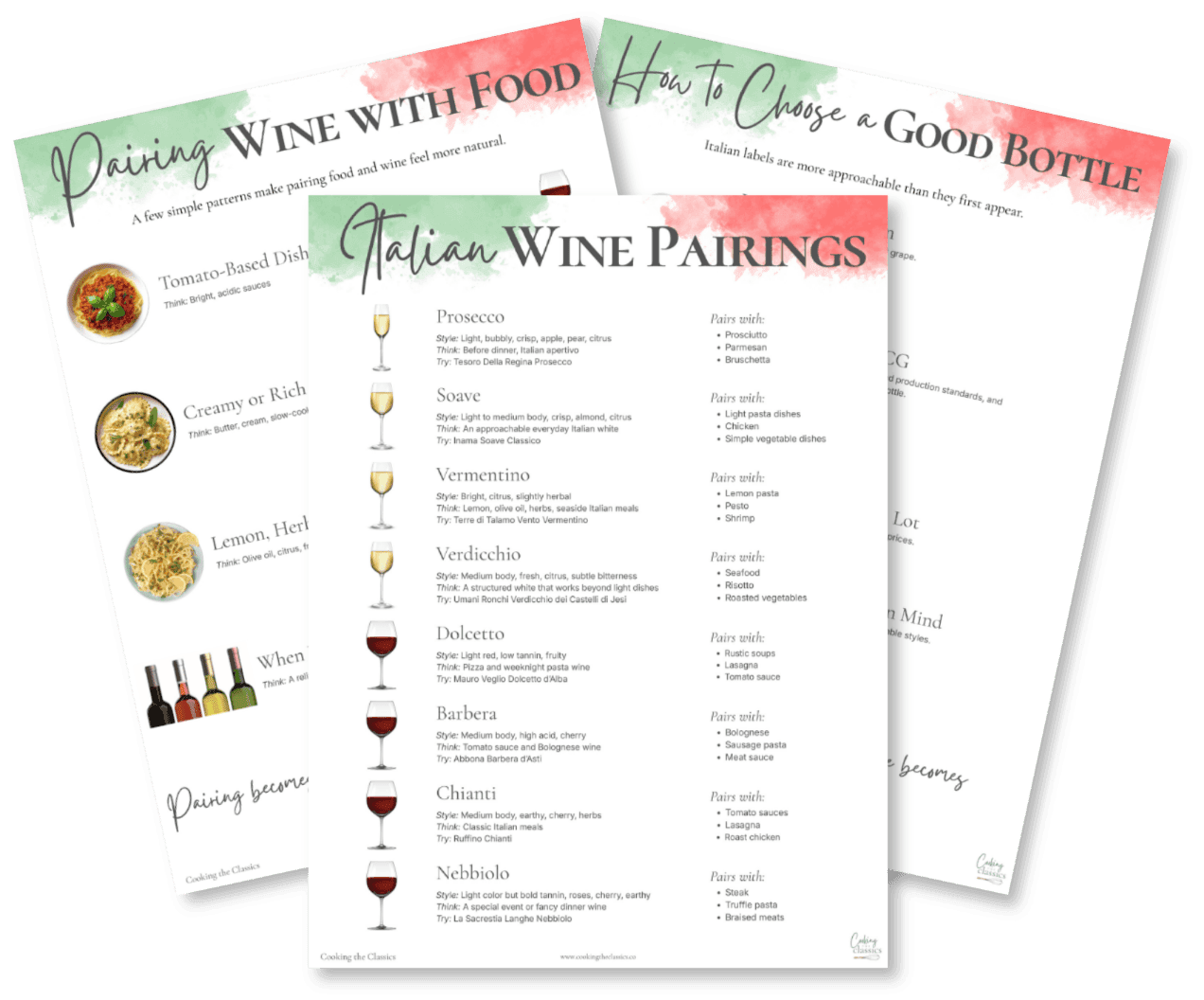
For a closer look at pairing Italian wines with food, choosing bottles confidently, and key label terms to know, download the Italian Wine Pairing Guide to keep on hand while cooking or shopping.
Why Acidity Matters With Food
Acidity is one of the most useful tools in food pairing.
Rich dishes often benefit from wines with higher acidity because the wine helps refresh your palate between bites.
Think about a few classic Italian combinations:
- Chianti with tomato sauce
- Vermentino with lemony chicken
- Soave with seafood or vegetable dishes
- Prosecco with salty appetizers
In each case, the wine’s acidity keeps the meal from feeling overly rich or heavy.
Are Italian Wines Usually High in Acidity?
Many of Italy’s best-known wines are naturally high in acidity. That’s one reason they pair so easily with food.
Some examples include:
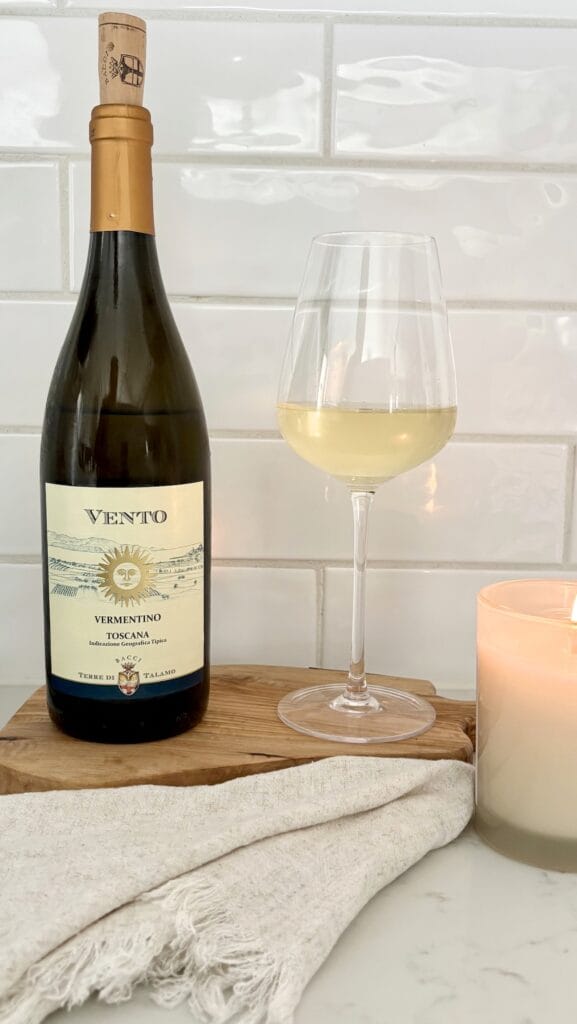
Vermentino
Vermentino often shows citrus and herbal notes along with refreshing acidity.
It’s especially useful with seafood and lighter chicken dishes.
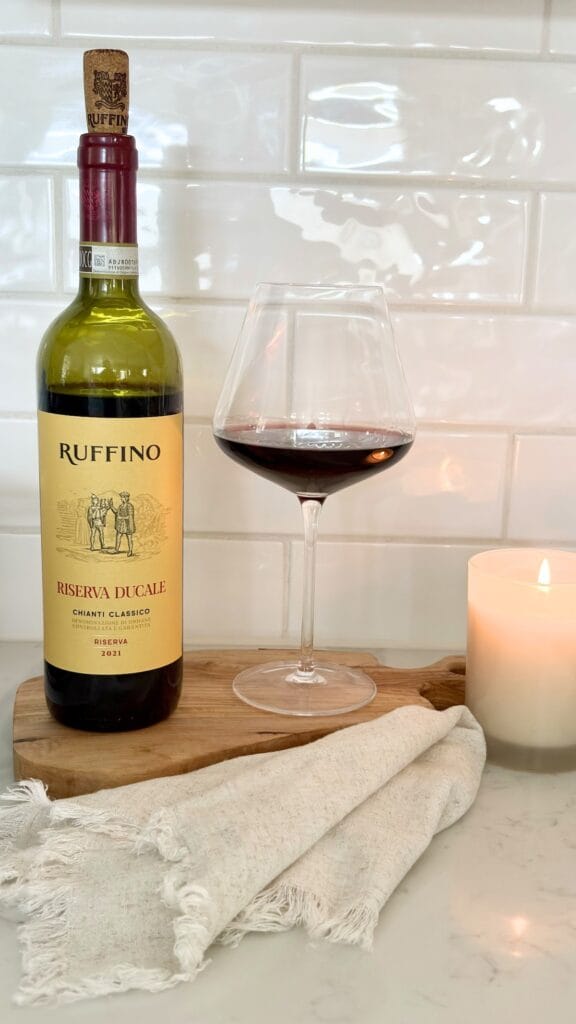
Chianti
Made primarily from Sangiovese, Chianti is known for its bright acidity and ability to handle tomato-based dishes.
Soave
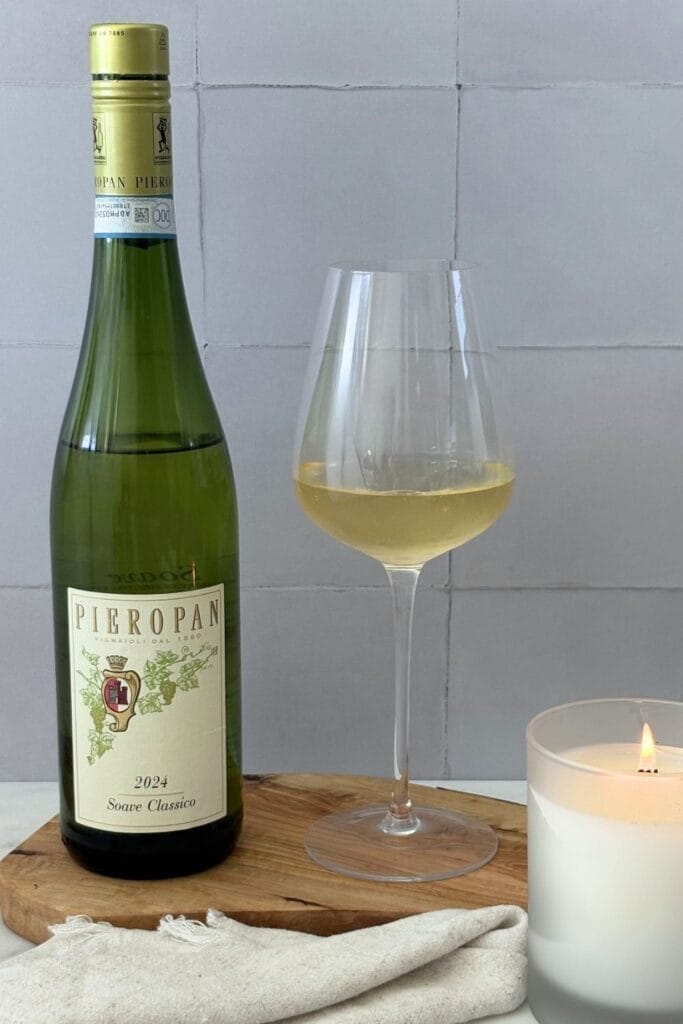
Soave combines moderate body with fresh acidity, making it a flexible option for many vegetable, seafood, and pasta dishes.
Barbera
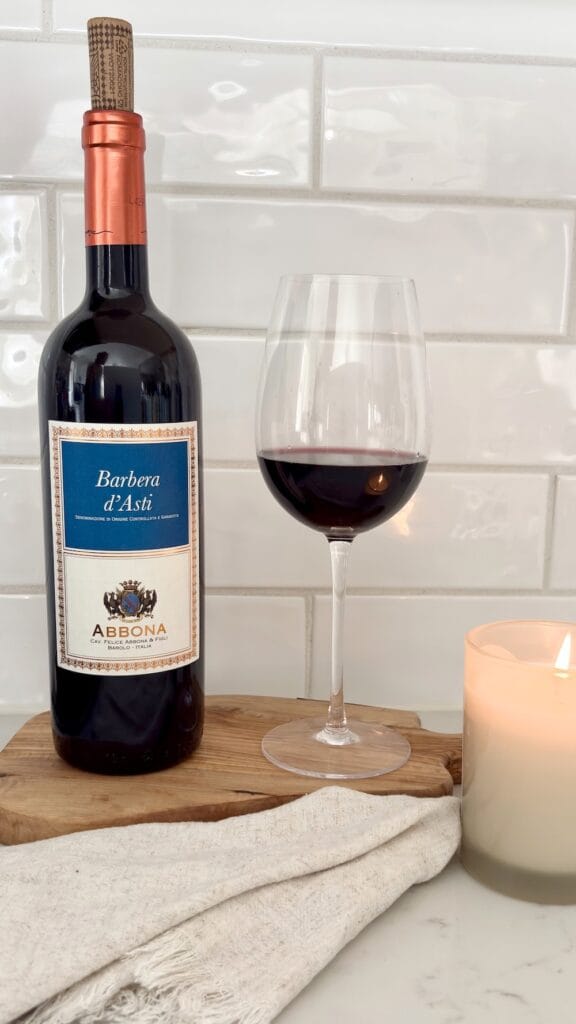
Barbera is often one of the highest-acid red wines in Italy.
That acidity helps it work with rich sauces, braised meats, and dishes that include tomatoes.
Prosecco
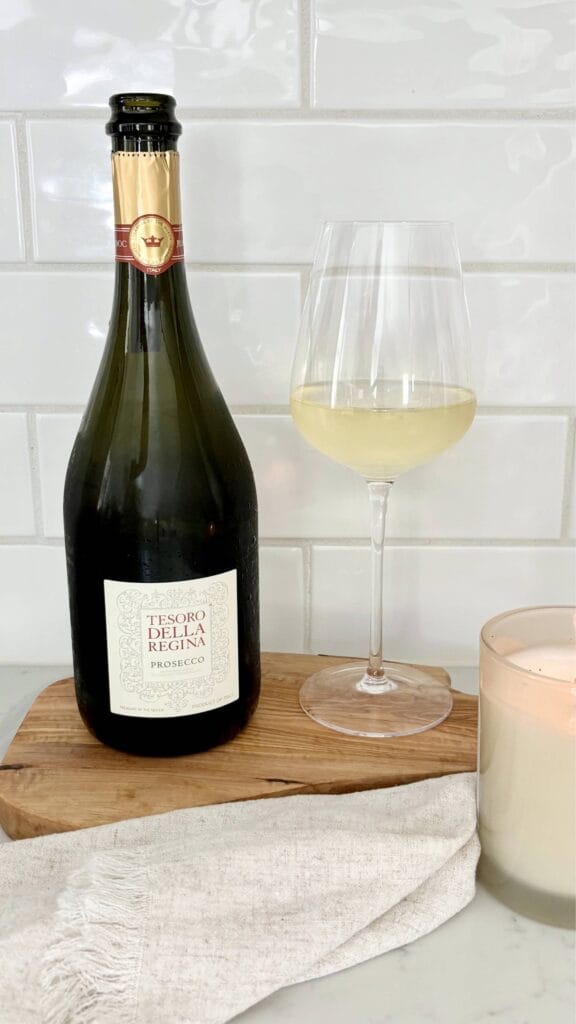
The acidity in Prosecco is part of what makes it feel so refreshing. It works particularly well with salty snacks and lighter appetizers.
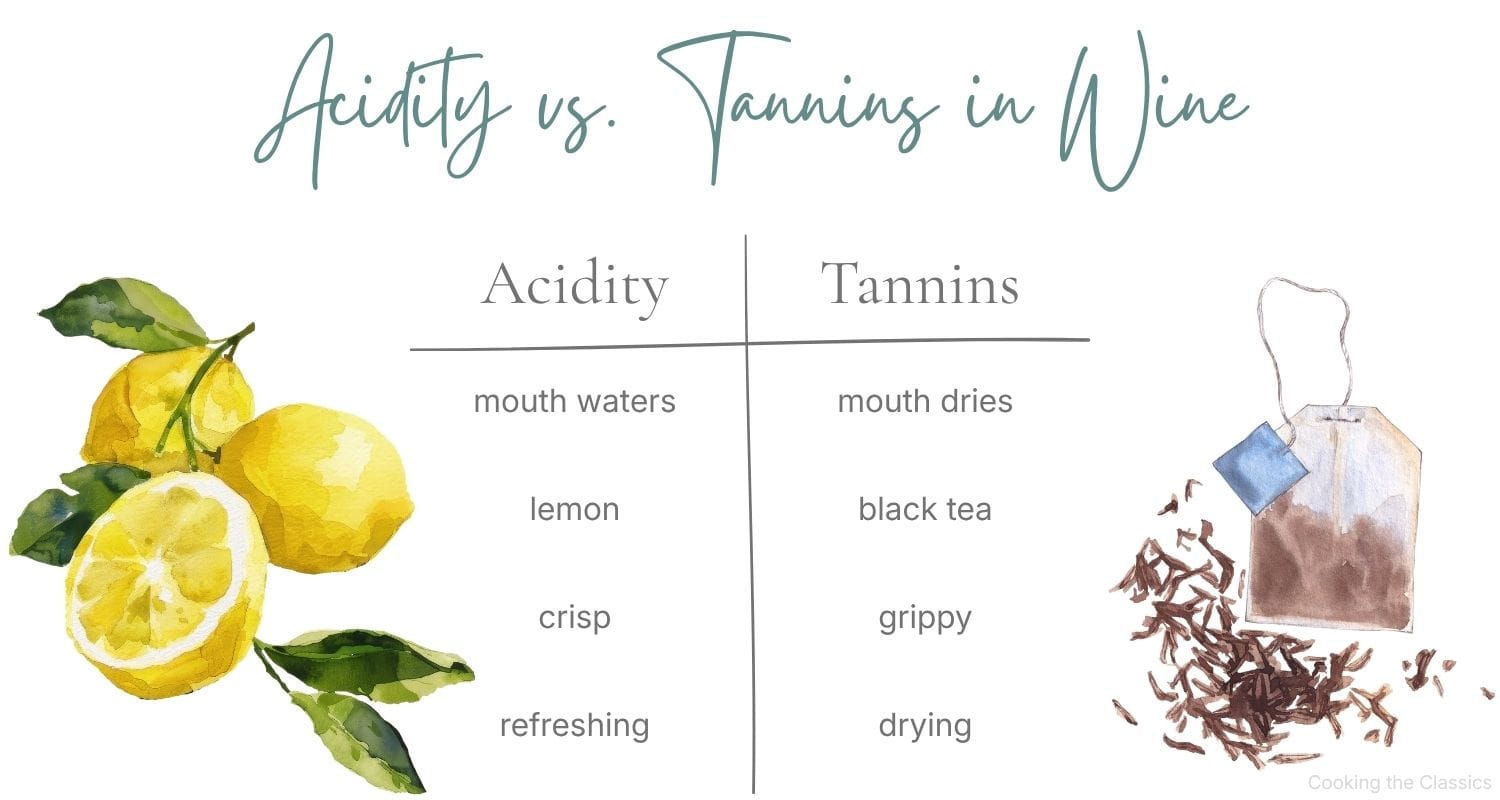
Acidity vs. Tannins
Acidity and tannins are often confused, but they create very different sensations.
- Acidity makes your mouth water.
- Tannins create a drying sensation on your gums and tongue.
A wine can be high in one, both, or neither.
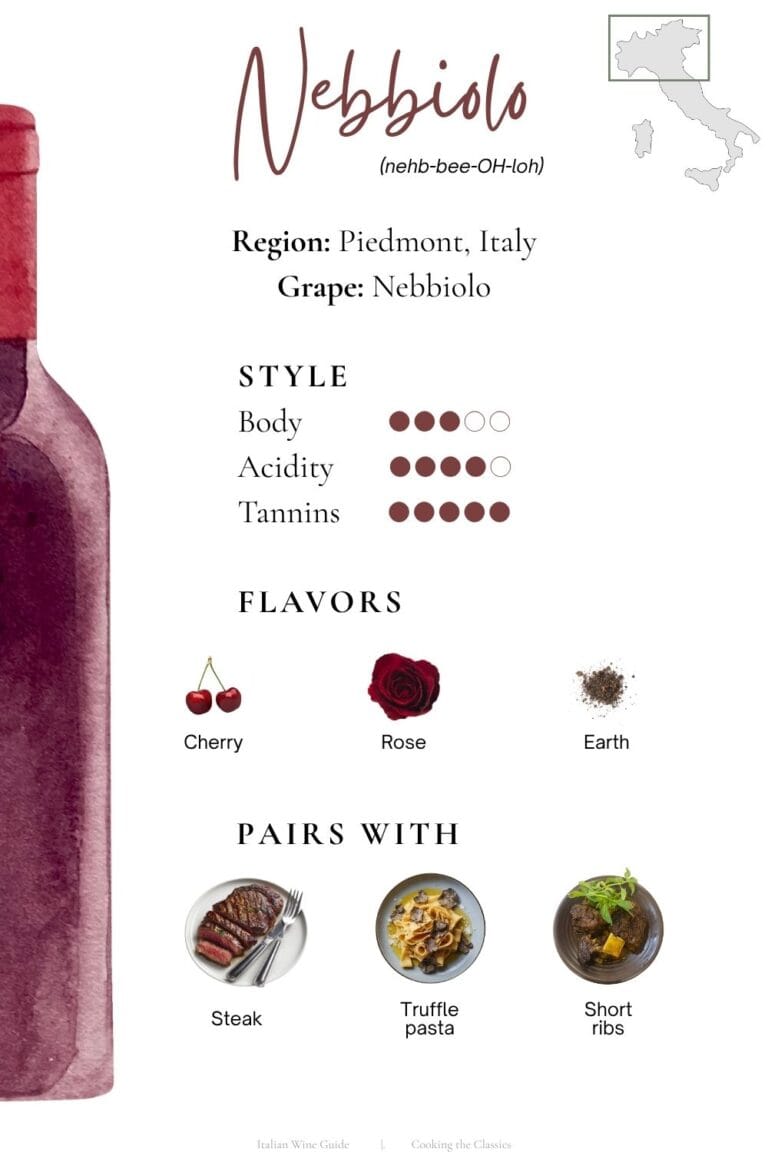
For example, Barbera is known for high acidity and relatively low tannins, while Nebbiolo is known for both high acidity and firm tannins.
How to Tell If a Wine Has High Acidity
The easiest clue comes after you swallow. Ask yourself:
“Do I immediately want another sip?”
If the wine leaves your mouth feeling refreshed and makes you salivate, you’re probably tasting a wine with noticeable acidity.
Over time, you’ll start recognizing acidity as one of the characteristics that makes many Italian wines so food-friendly.
Acidity is one of the reasons wine and food work so well together.
It helps balance rich dishes, complements ingredients like tomatoes and citrus, and keeps wines tasting fresh from the first sip to the last.
Once you start noticing acidity, you’ll begin to understand why wines like Chianti, Barbera, Vermentino, and Soave appear so often alongside classic Italian cooking.