A Guide to Cooking Pasta
Pasta is one of the easiest things to cook, which is probably why it’s also easy to overlook the details.
Most of us already know how to cook pasta. The water boils, the pasta goes in, and dinner eventually makes its way to the table.
But somewhere between opening the box and serving the finished dish, there are a handful of decisions that influence the result: how generously you salt the water, whether you reserve pasta water, and when you combine the pasta with the sauce.
These are the techniques that show up repeatedly in classic Italian recipes and the ones that have made the biggest difference in my own kitchen.
Cooking through Italian recipes?
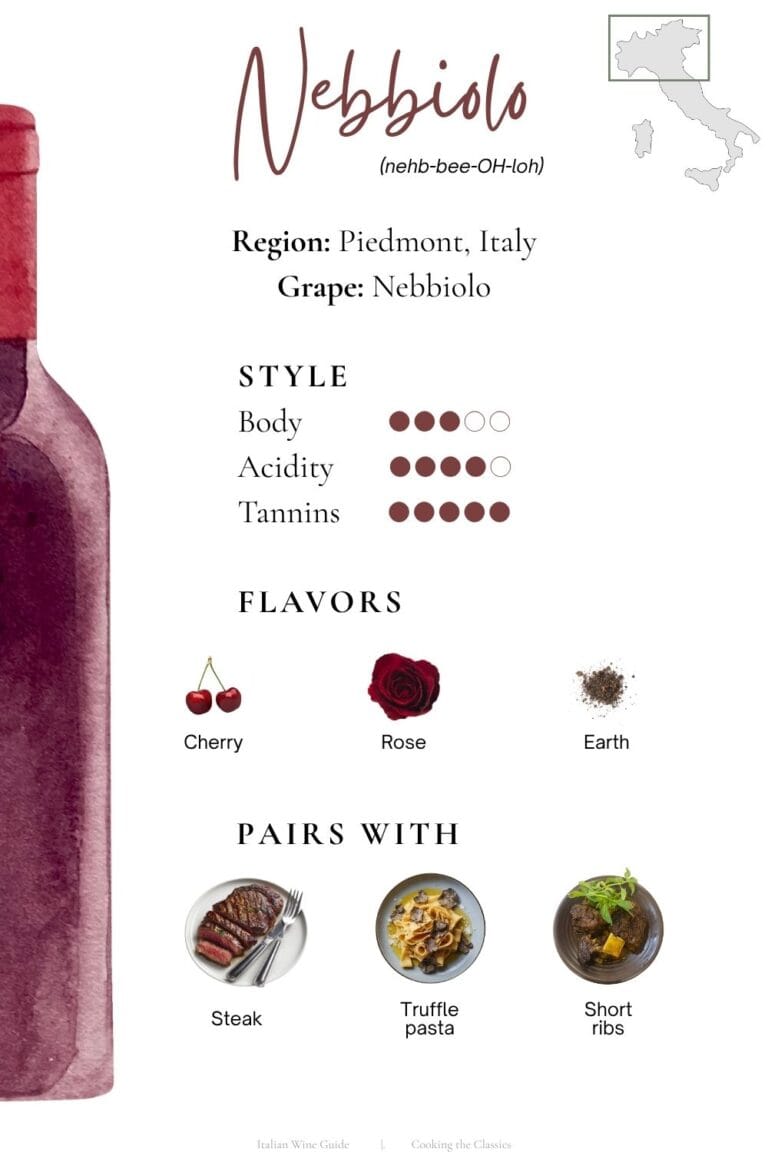
Get the 3-page Italian Wine Pairing Guide with what to pour with tomato sauces, chicken, and more.
1. Start with Plenty of Water
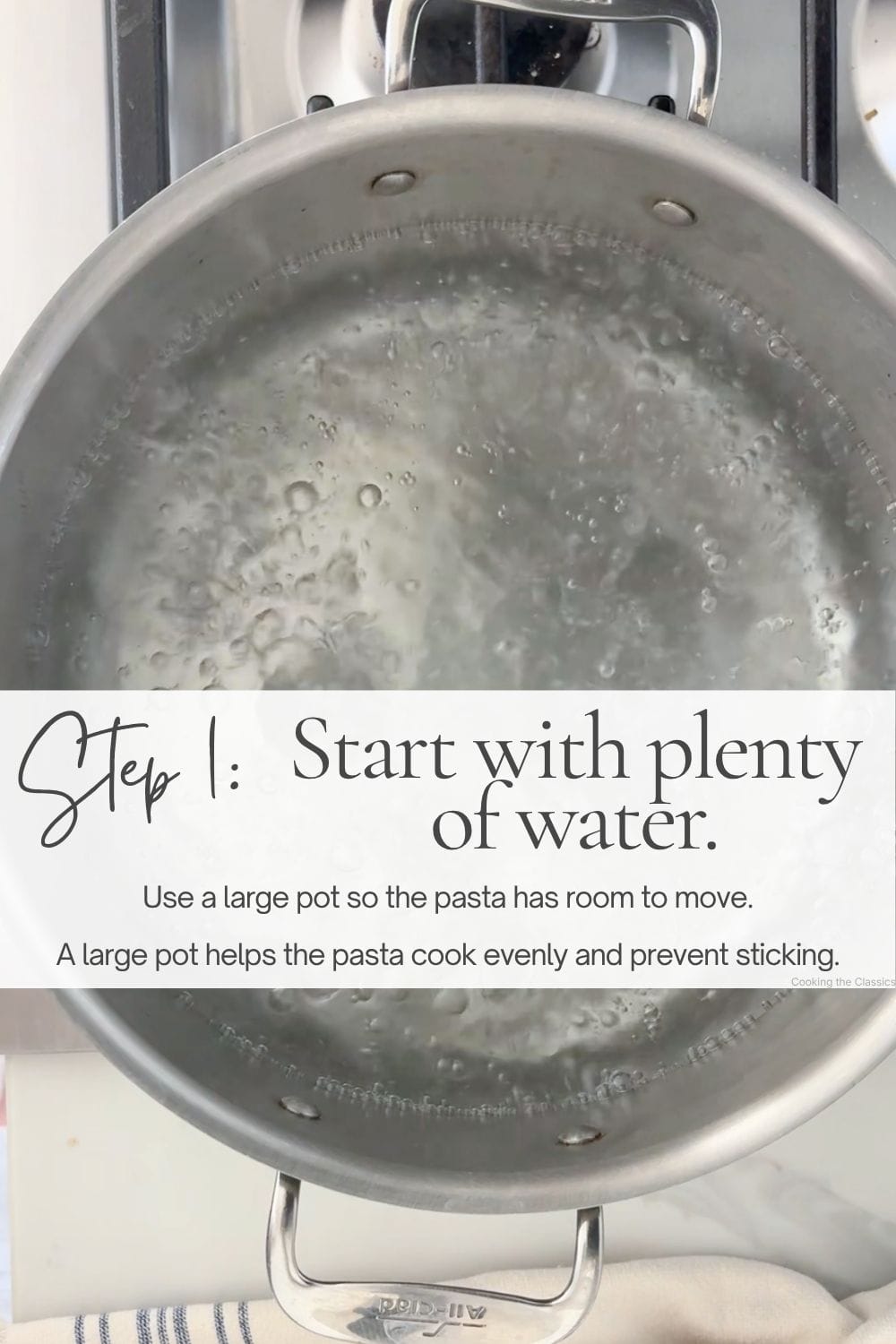
Choose a pot that feels larger than necessary and fill it generously.
Pasta needs room to move around as it cooks. A crowded pot can cause the pieces to stick together and cook unevenly.
Wait until the water reaches a full rolling boil before adding the pasta. If the water isn’t hot enough, the pasta can become soft on the outside before the center has cooked properly.
2. Salt the Water
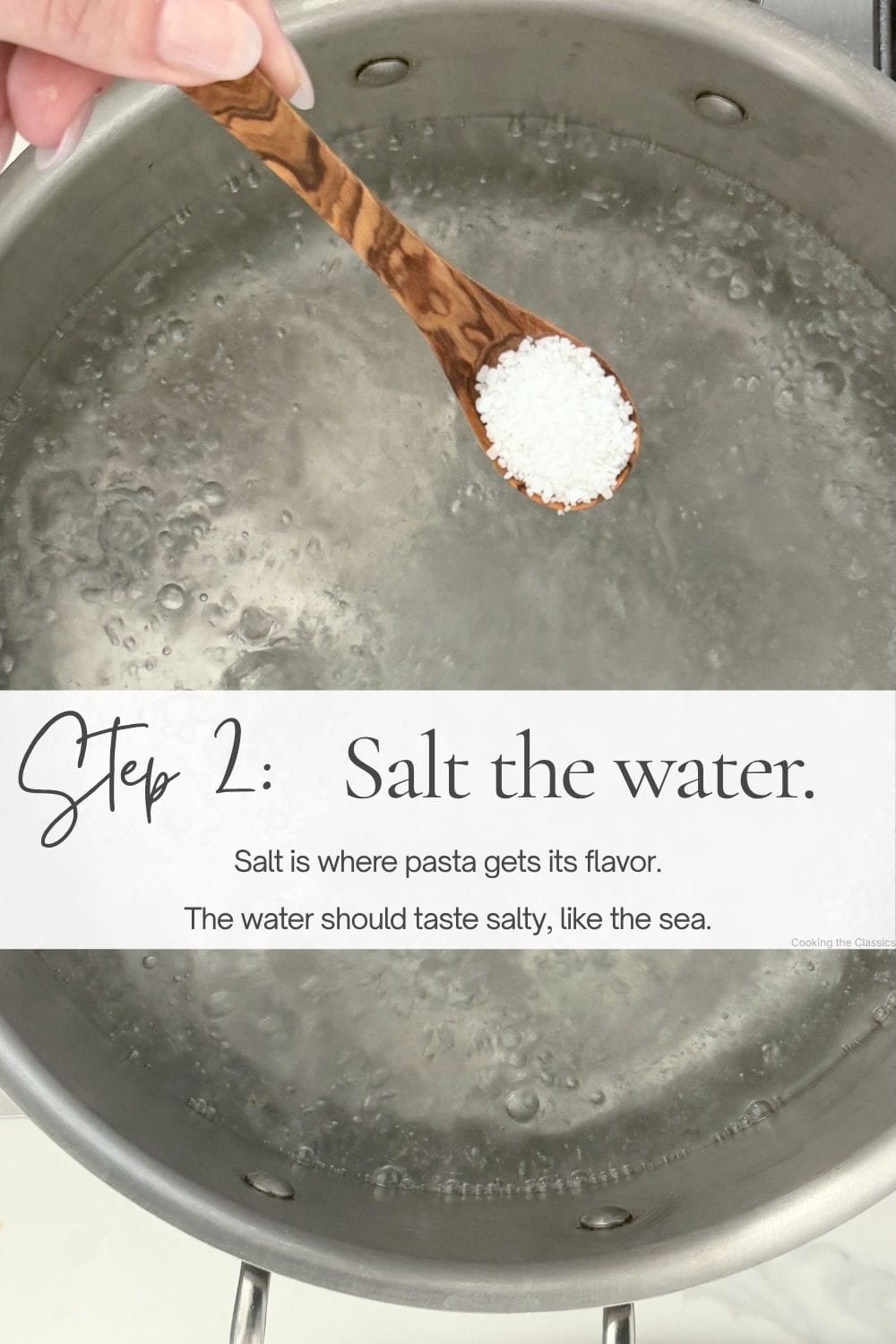
The pasta absorbs some of the cooking water as it cooks, which means this is your chance to season it.
A good starting point is 1 to 2 tablespoons of kosher salt for a large pot of water. The exact amount matters less than making sure the water tastes seasoned rather than plain.
If you’ve ever wondered why restaurant pasta seems to have more flavor, properly salted water is often part of the answer.
3. Cook Until Al Dente
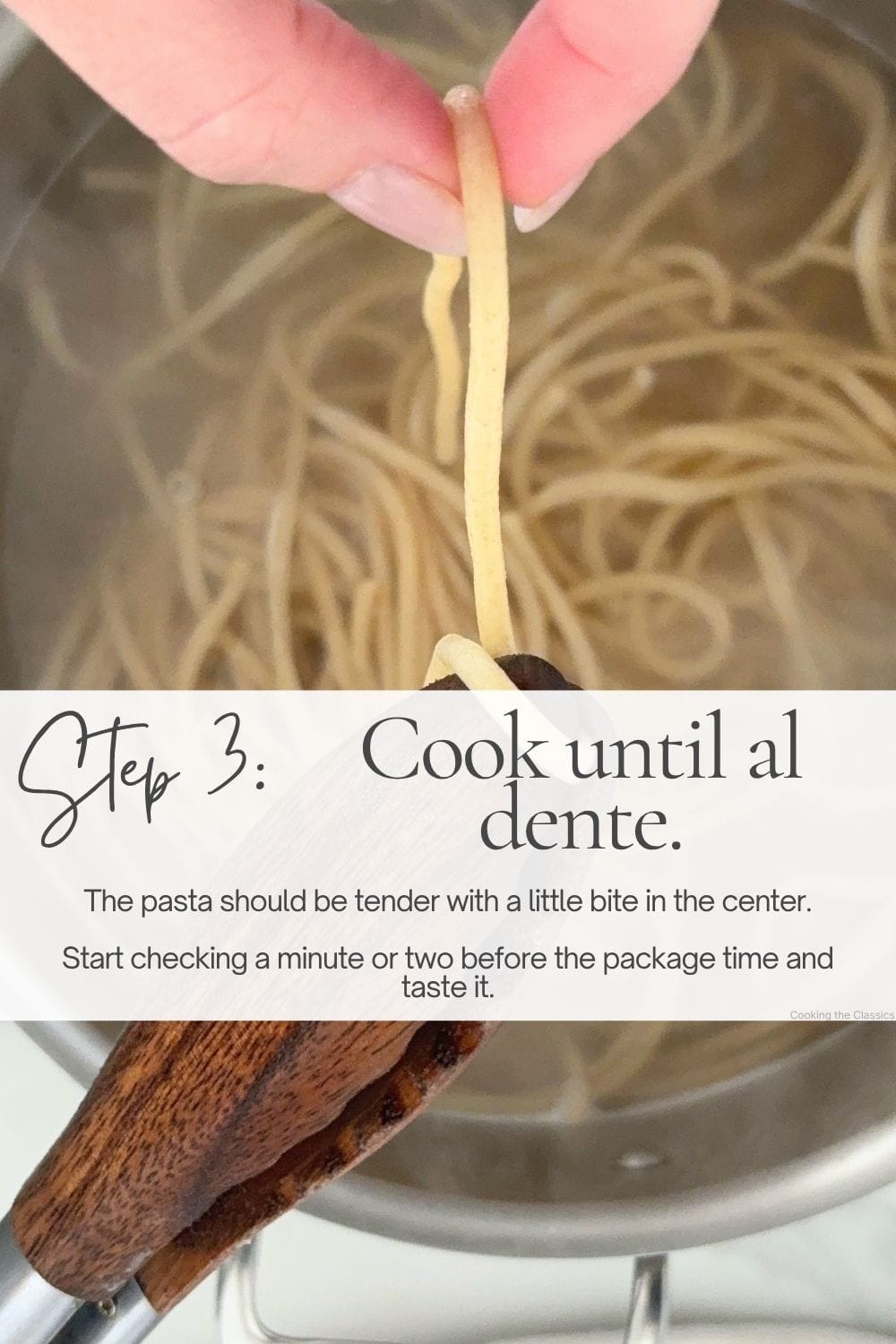
Al dente simply means “to the tooth.”
The pasta should be tender but still offer a little resistance when you bite into it.
Package directions are helpful, but start checking a minute or two early. The best test is tasting it yourself.
Remember that the pasta will continue cooking briefly after it leaves the pot, especially if you’re finishing it in the sauce.
4. Save Some Pasta Water
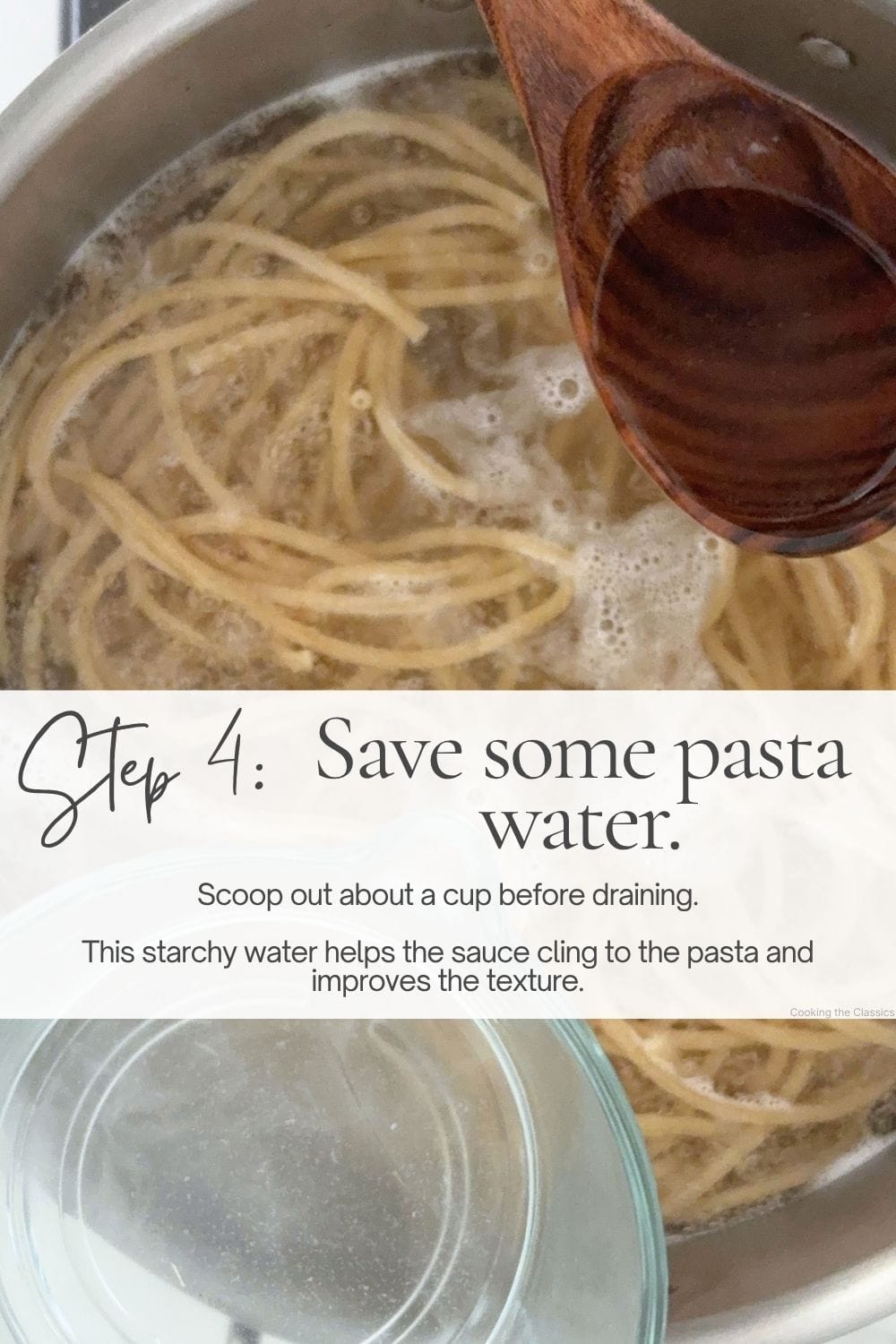
Before draining the pasta, scoop out about a cup of the cooking water.
The water contains starch released by the pasta during cooking. A splash or two can help loosen a sauce that feels too thick and helps the sauce coat the pasta more evenly.
It’s a simple step that takes only a few seconds and is useful far more often than you might expect.
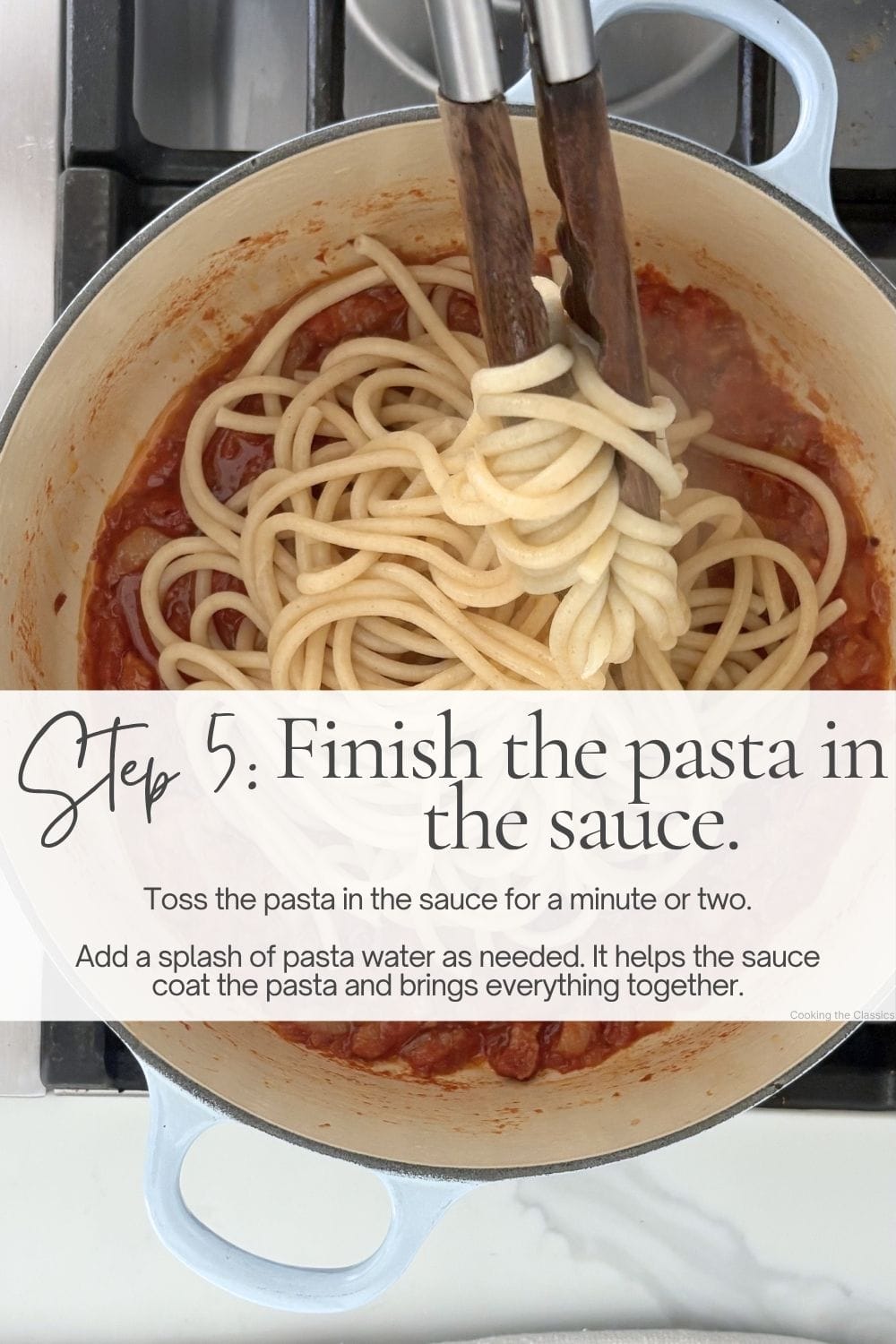
5. Finish the Pasta in the Sauce
This is one of the habits that appears again and again in Italian cookbooks.
Instead of draining the pasta and placing sauce on top, transfer the pasta directly into the pan with the sauce.
Toss everything together for a minute or two, adding a little pasta water if needed.
The sauce coats the pasta more evenly, and every bite tastes more complete than if the two were combined only at the table.
A Few Helpful Tips
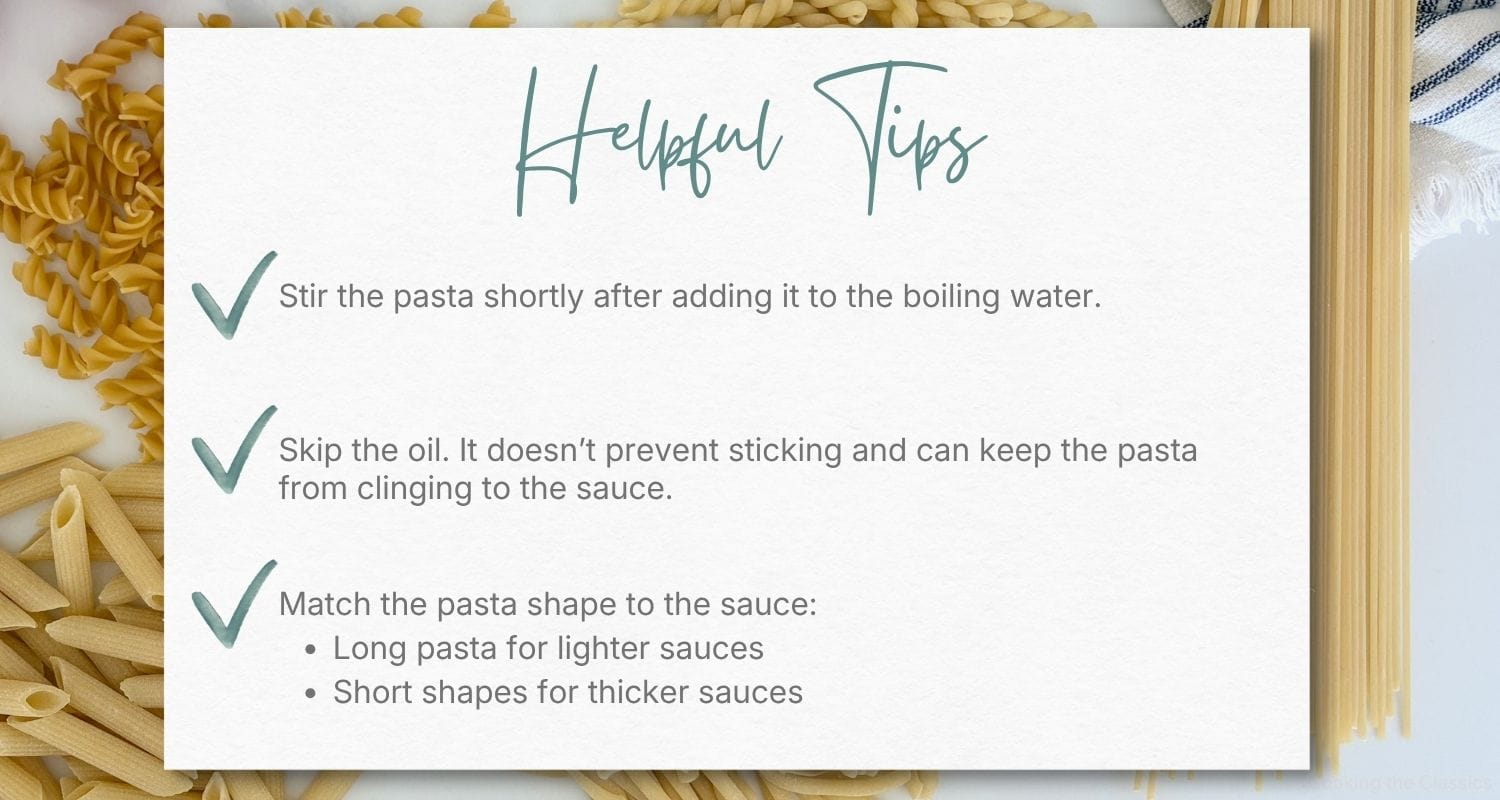
- Stir the pasta shortly after adding it to the water.
- Skip the oil. It doesn’t prevent sticking and can make it harder for sauce to cling to the pasta.
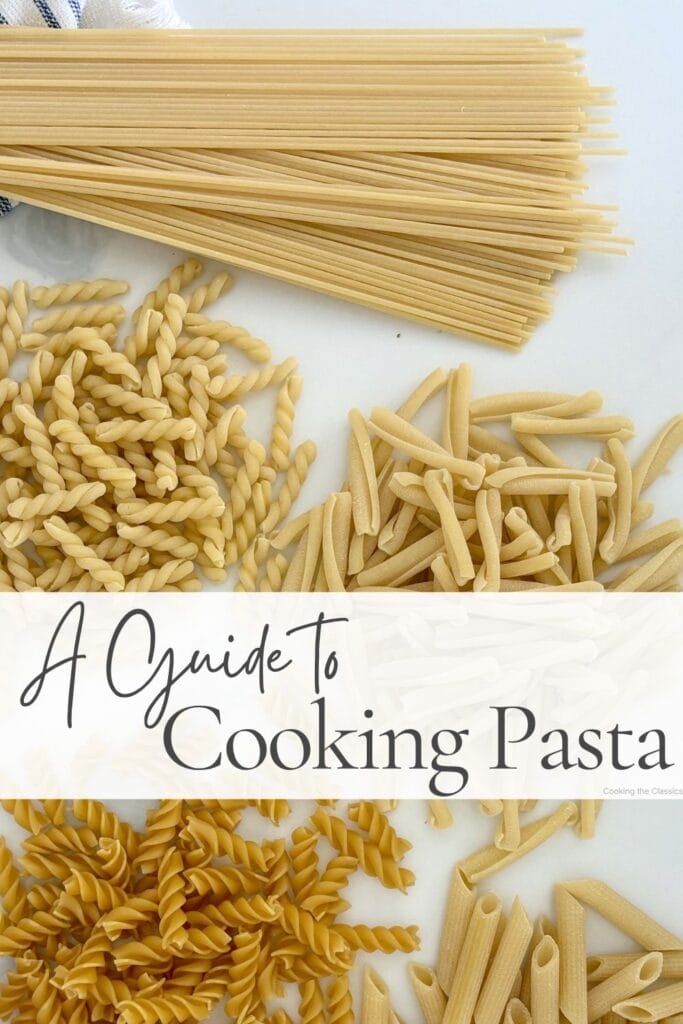
- Choose shapes that suit the sauce. Long noodles work well with smoother sauces, while ridged or tubular shapes are good at catching chunkier ones.
Putting It Into Practice
You’ll see these techniques used throughout many of the recipes on this site, whether it’s a simple tomato sauce, Marcella Hazan’s Bolognese, or a bowl of carbonara.
Good pasta isn’t complicated. A few small habits repeated every time make a noticeable difference.
Use plenty of water. Salt it well. Cook the pasta until it’s al dente. Save some pasta water. Finish the pasta in the sauce.
After a while, you’ll stop thinking about the steps altogether. You’ll just notice that your pasta tastes better and your sauces work the way they’re supposed to.